Each plant in GOD’s Plants carries a scripture, a story, and a lesson. Explore the garden of faith that Carol researched over years of dedicated study.
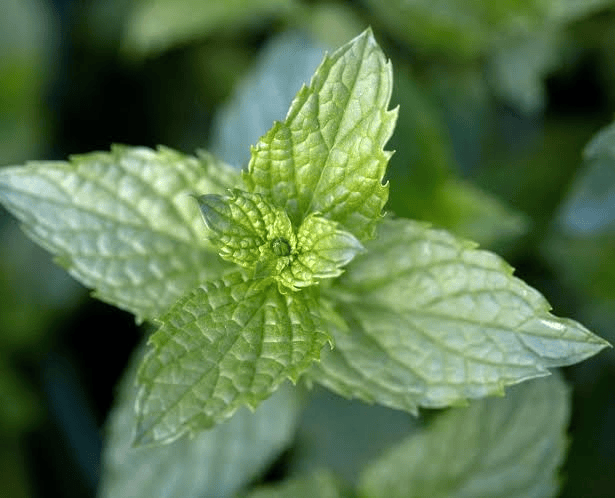
A common herb used to season food, Jesus referenced Mint when teaching about tithing and the weightier matters of the law.
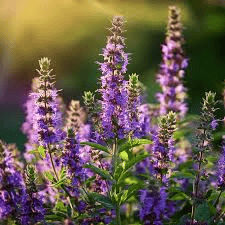
Used in purification rituals, Hyssop symbolizes cleansing and repentance — “Purge me with hyssop, and I shall be clean.”
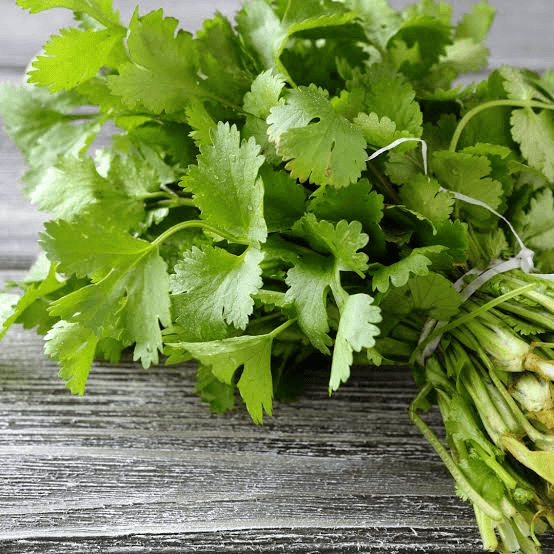
The manna from heaven was described as being like coriander seed — God’s daily provision for His people in the wilderness.
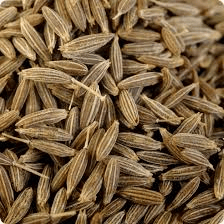
A spice carefully harvested, Cumin reminds us that God cares about the details of our lives with equal precision.
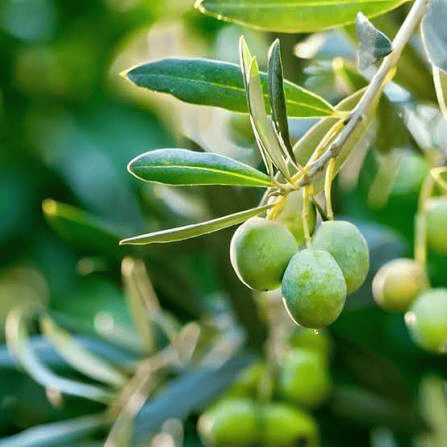
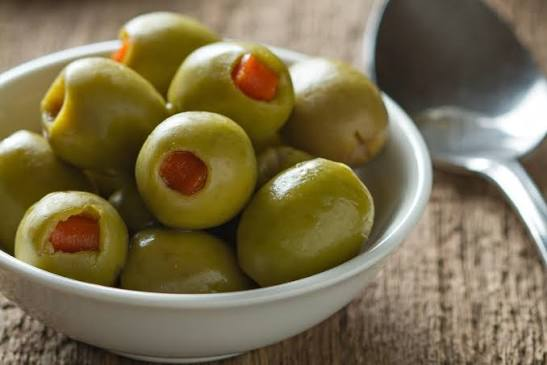
The dove returned to Noah with an olive leaf — a symbol of peace, hope, and God’s promise after the flood.
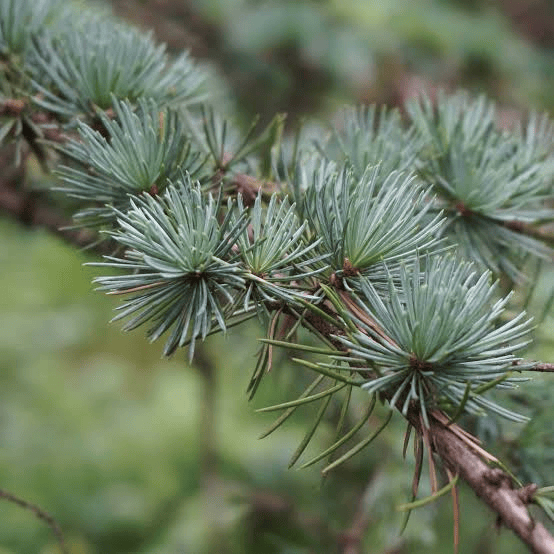
Mighty and enduring, Cedar was used to build Solomon’s Temple — representing strength, permanence, and worship.
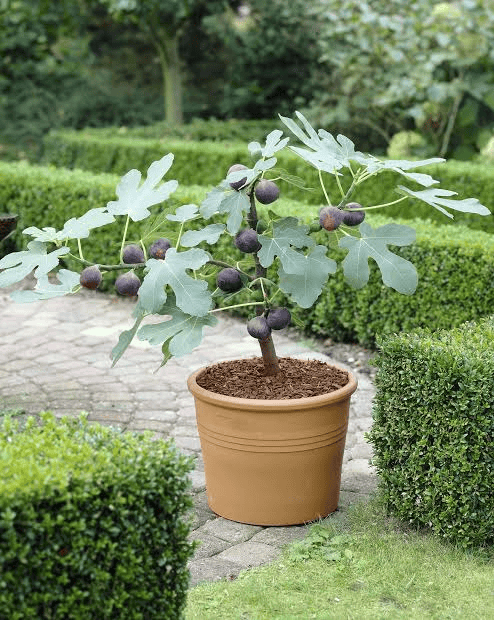
Jesus cursed the barren fig tree as a lesson about genuine faith and bearing spiritual fruit in our lives.
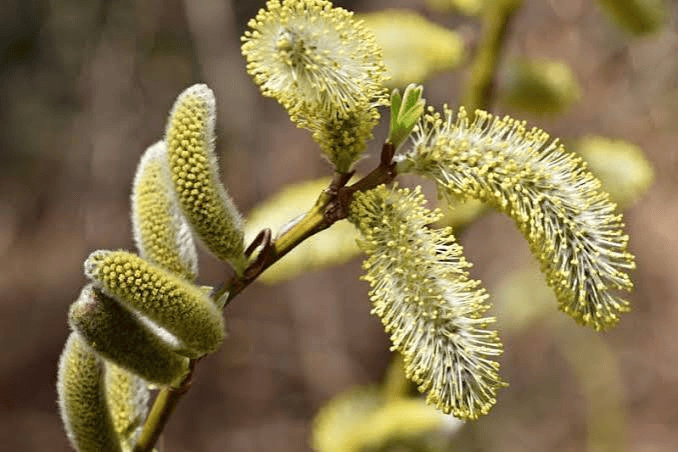
By the rivers of Babylon, the Israelites hung their harps on willow trees — a poignant image of sorrow and longing for home.
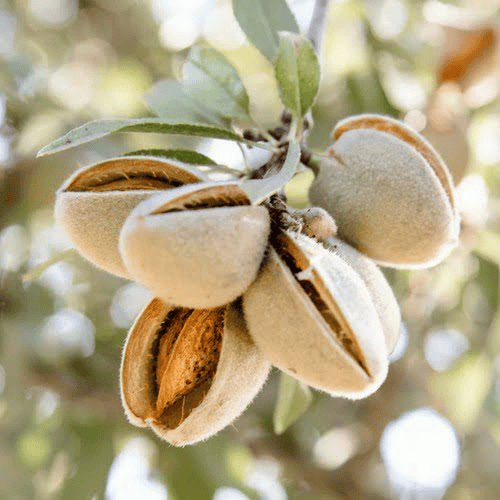
God showed Jeremiah an almond branch as a sign that He watches over His word to perform it — the first tree to bloom in spring.
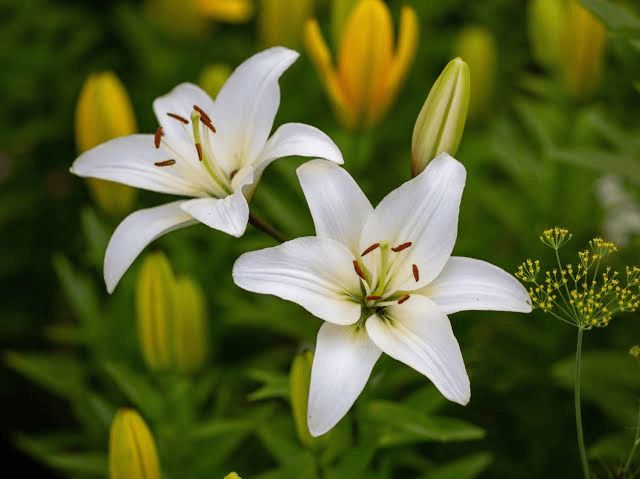
“Consider the lilies of the field” — Jesus taught that if God clothes the flowers so beautifully, how much more will He care for us.
A symbol of beauty and love in scripture, often associated with Christ’s love for His people.
The smallest of seeds that grows into the largest of garden plants — a powerful metaphor for faith that starts small but grows mighty.
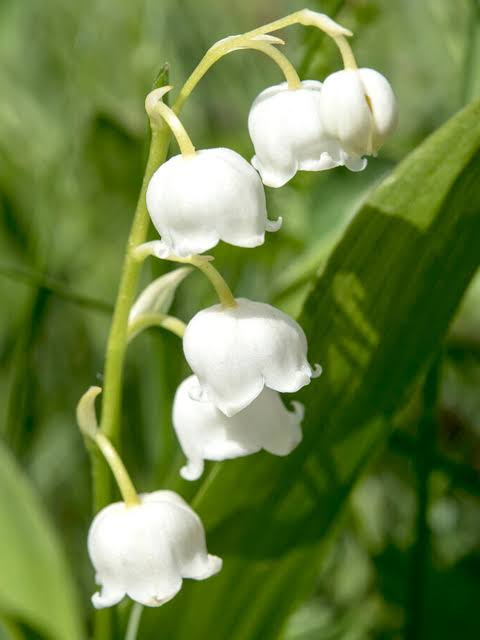
Delicate and fragrant, representing humility, purity, and the return of Christ in Christian tradition.
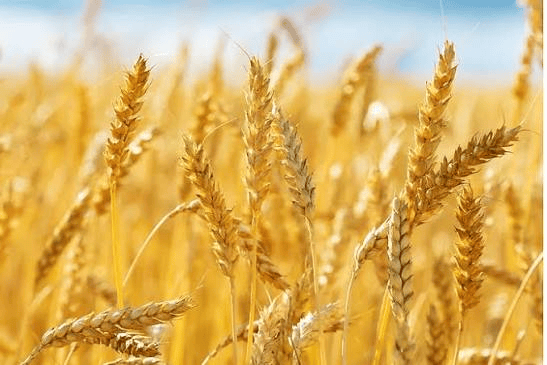
Central to the Parable of the Wheat and Tares — teaching us to trust God’s judgment and timing in separating good from evil.
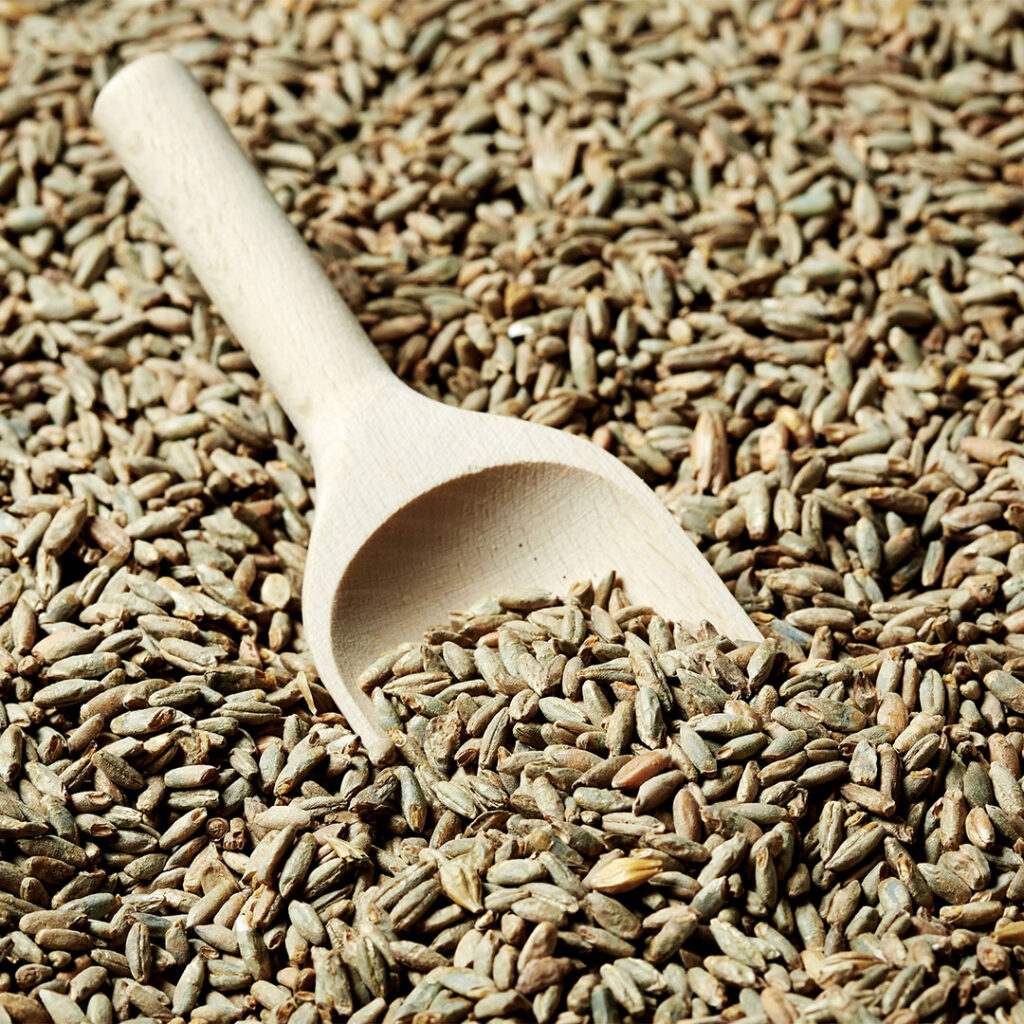
The grain Ruth gleaned from Boaz’s fields — a story of providence, loyalty, and God’s redemptive plan through ordinary people.
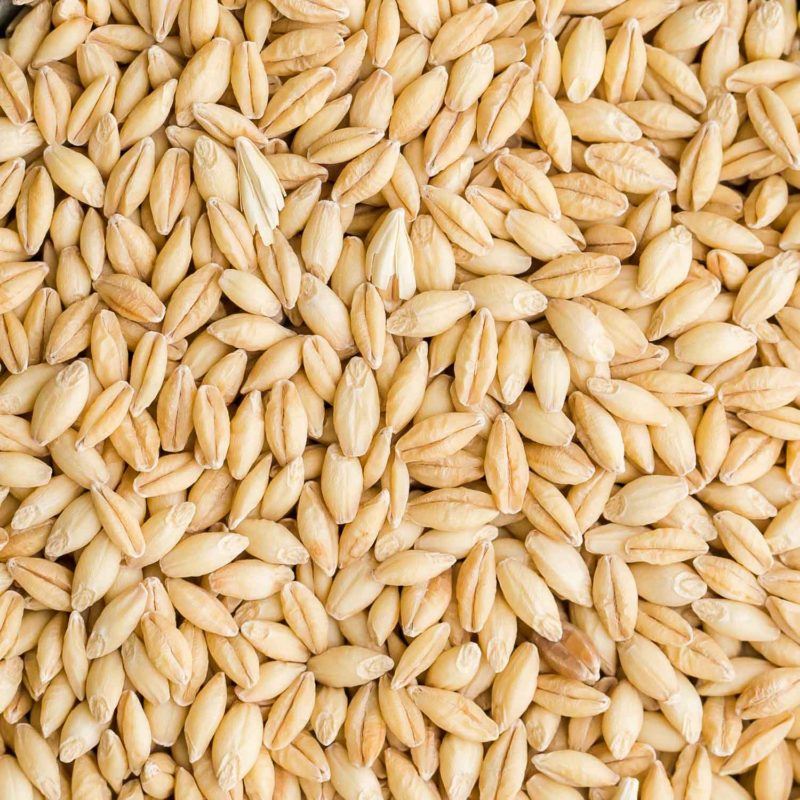
One of the grains God instructed Ezekiel to use — representing sustenance and obedience even in difficult circumstances.
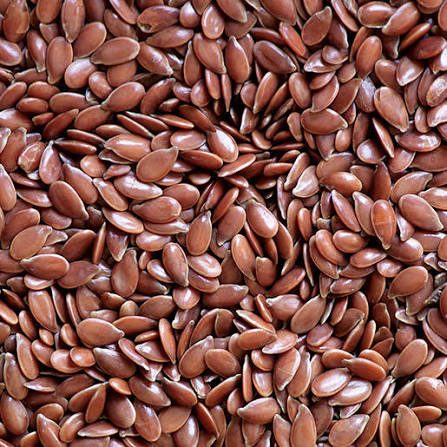
Used for linen production in ancient times, Flax represents industry, provision, and the craftsmanship God gives His people.
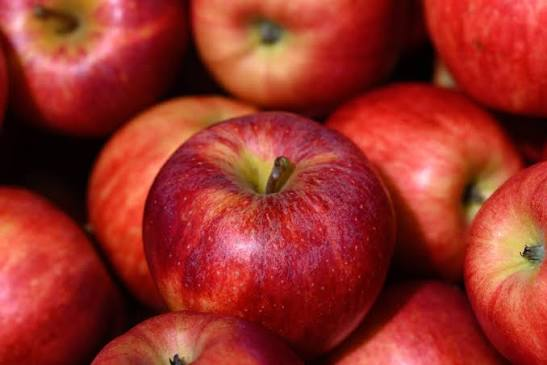
“A word fitly spoken is like apples of gold in settings of silver” — the beauty of timely, wise words.
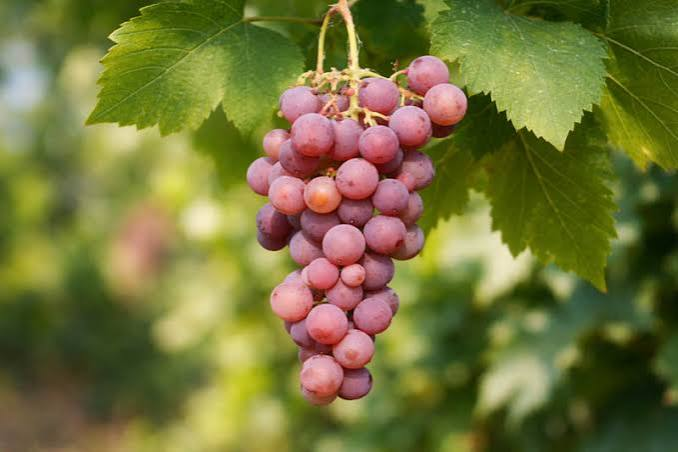
“I am the vine, you are the branches” — one of Jesus’s most powerful teachings about abiding in Him for spiritual life.
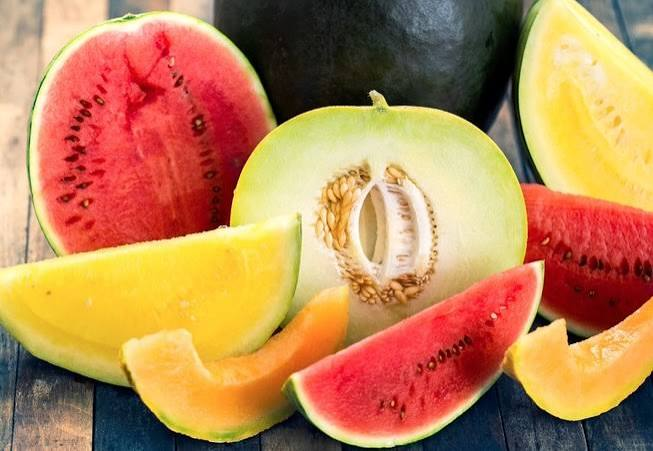
The Israelites remembered the melons of Egypt — a reminder of God’s greater provision in the wilderness journey.
Listed among the seven species of the Promised Land — a symbol of abundance, blessing, and God’s faithful provision.
The most sacred plant in the book — telling the story of Jesus’s sacrifice and unfathomable love for all humanity.
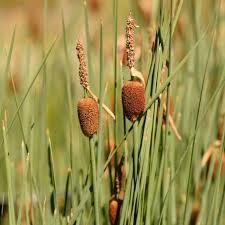
The basket Moses was placed in among the reeds of the Nile — God’s protection over the smallest and most vulnerable.
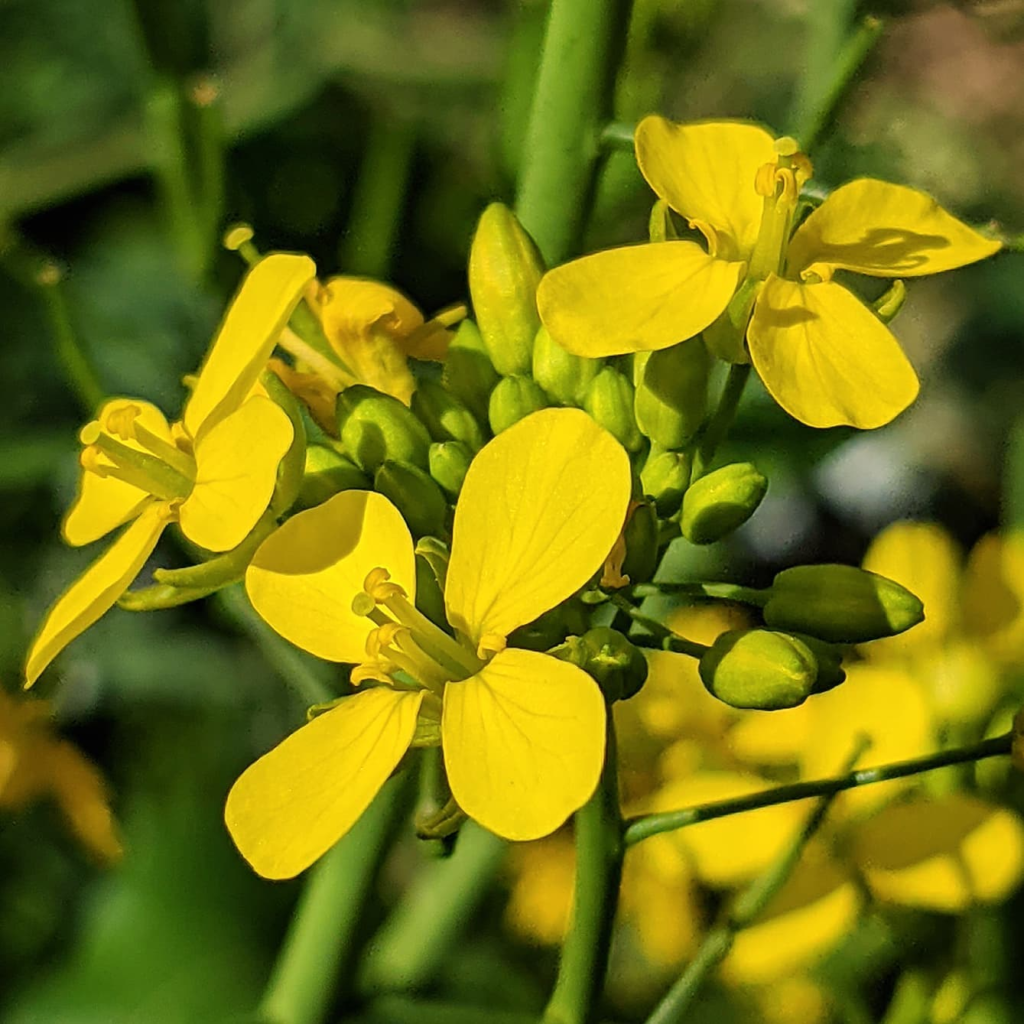
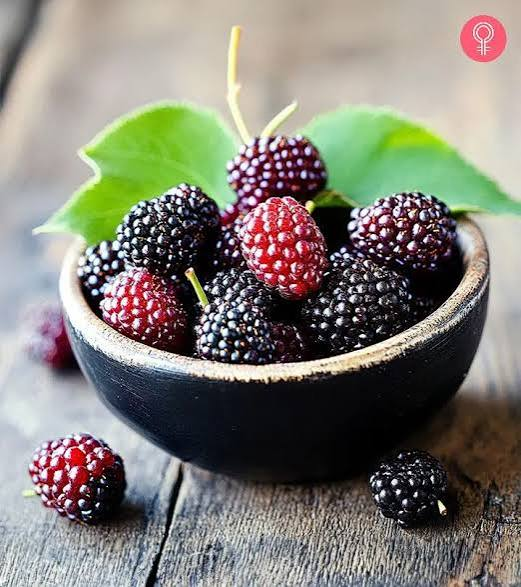
Jesus said faith the size of a mustard seed could uproot a mulberry tree — the power of even the smallest belief.
A bitter plant symbolizing poisoned agreements and the consequences of breaking faith with God and others.
A common herb used to season food, Jesus referenced Mint when teaching about tithing and the weightier matters of the law.
Used in purification rituals, Hyssop symbolizes cleansing and repentance — “Purge me with hyssop, and I shall be clean.”
The manna from heaven was described as being like coriander seed — God’s daily provision for His people in the wilderness.
A spice carefully harvested, Cumin reminds us that God cares about the details of our lives with equal precision.
The basket Moses was placed in among the reeds of the Nile — God’s protection over the smallest and most vulnerable.
A bitter plant symbolizing poisoned agreements and the consequences of breaking faith with God and others.
The dove returned to Noah with an olive leaf — a symbol of peace, hope, and God’s promise after the flood.
Mighty and enduring, Cedar was used to build Solomon’s Temple — representing strength, permanence, and worship.
Jesus cursed the barren fig tree as a lesson about genuine faith and bearing spiritual fruit in our lives.
By the rivers of Babylon, the Israelites hung their harps on willow trees — a poignant image of sorrow and longing for home.
God showed Jeremiah an almond branch as a sign that He watches over His word to perform it — the first tree to bloom in spring.
Jesus said faith the size of a mustard seed could uproot a mulberry tree — the power of even the smallest belief.
“Consider the lilies of the field” — Jesus taught that if God clothes the flowers so beautifully, how much more will He care for us.
A symbol of beauty and love in scripture, often associated with Christ’s love for His people.
The smallest of seeds that grows into the largest of garden plants — a powerful metaphor for faith that starts small but grows mighty.
Delicate and fragrant, representing humility, purity, and the return of Christ in Christian tradition.
The most sacred plant in the book — telling the story of Jesus’s sacrifice and unfathomable love for all humanity.
Central to the Parable of the Wheat and Tares — teaching us to trust God’s judgment and timing in separating good from evil.
The grain Ruth gleaned from Boaz’s fields — a story of providence, loyalty, and God’s redemptive plan through ordinary people.
One of the grains God instructed Ezekiel to use — representing sustenance and obedience even in difficult circumstances.
Used for linen production in ancient times, Flax represents industry, provision, and the craftsmanship God gives His people.
“A word fitly spoken is like apples of gold in settings of silver” — the beauty of timely, wise words.
“I am the vine, you are the branches” — one of Jesus’s most powerful teachings about abiding in Him for spiritual life.
The Israelites remembered the melons of Egypt — a reminder of God’s greater provision in the wilderness journey.
Listed among the seven species of the Promised Land — a symbol of abundance, blessing, and God’s faithful provision.
This is just a glimpse — the full book explores all 66 plants with stories, illustrations, and scripture.
Perfect for Sunday school teachers, homeschool parents, and anyone who wants to teach faith through natur